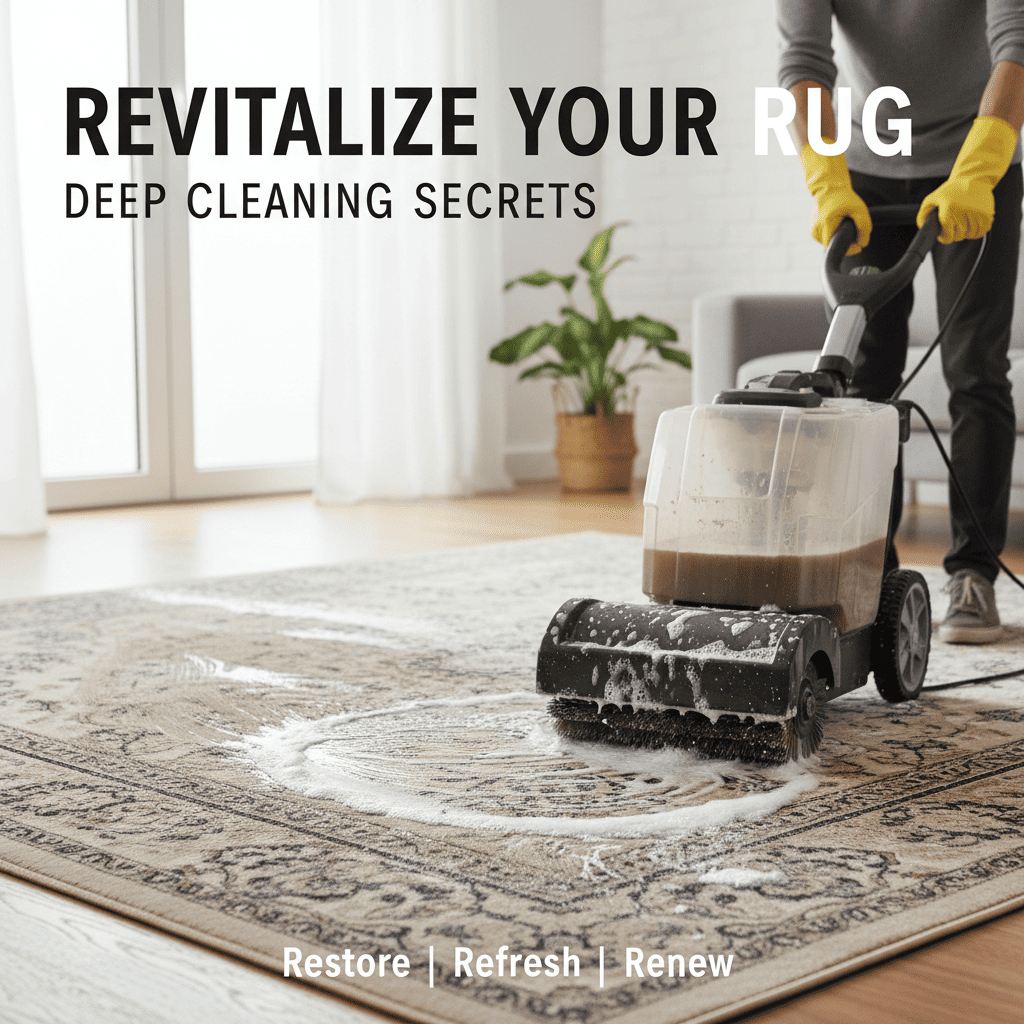
Many people think cleaning a rug simply means vacuuming or scrubbing with detergent. However, if you truly want your rug to stay soft, fresh, odor-free, and last for years, proper cleaning requires a more strategic approach.
Effective rug cleaning = understanding materials + regular maintenance + targeted stain removal + periodic deep cleaning + proper drying.
Why Proper Rug Cleaning Matters More Than You Think
A rug is more than decoration — it acts like a filter that traps dust, allergens, pet hair, bacteria, and debris. Without regular cleaning, these particles accumulate and may circulate back into the air whenever someone walks across the rug.
Health and Allergy Control
If you experience sneezing, irritation, or allergy symptoms indoors, your rug could be contributing. Routine cleaning helps reduce allergens and improve indoor air quality.
Extending Rug Lifespan
Dust particles behave like sandpaper. Every step grinds debris into the fibers, gradually wearing them down. Proper cleaning helps maintain texture and prolong durability.
Odor Management and Home Atmosphere
Moisture and organic debris trapped in fibers can create unpleasant odors. Correct cleaning techniques eliminate the root causes rather than masking smells.
Know Your Rug Type Before Cleaning
Wool Rugs
Wool is natural and luxurious but sensitive to harsh chemicals and excessive water. Use gentle, pH-neutral cleaners and avoid soaking.
Synthetic Fiber Rugs
Nylon and polyester rugs are durable, stain-resistant, and suitable for steam cleaning or wet washing.
Cotton and Handmade Rugs
These rugs may shrink or bleed color. Always test cleaning solutions in a hidden area first.
High-Pile vs Low-Pile Rugs
High-pile rugs trap more debris and require stronger suction and deeper cleaning compared to low-pile designs.
Preparation Steps Before Cleaning
Vacuum Thoroughly First
Move slowly and vacuum in multiple directions to remove embedded dust before using any cleaning solution.
Check Manufacturer Labels
Labels often indicate whether the rug is suitable for water washing or steam cleaning.
Spot Test Cleaning Products
Test in a small hidden area to prevent discoloration or fiber damage.
Daily Cleaning: The Secret to Long-Term Rug Care
Use Your Vacuum Correctly
Avoid rushing. Slow passes allow the vacuum to extract deeper dirt effectively.
Removing Pet Hair Efficiently
Rubber brushes or damp rubber gloves create static friction that helps collect hair easily.
Reduce Dirt at the Source
Use entry mats and adopt a no-shoes policy indoors to minimize contamination.
Deep Cleaning Methods Explained
Hand Washing Method
Suitable for small washable rugs. Vacuum first, apply diluted cleaning solution, gently brush, then rinse with clean water.
Use Gentle Detergents
Neutral cleaners help protect fiber integrity.
Proper Brushing Technique
Brush in the direction of the fibers to avoid damage.
Steam Cleaning
High-temperature steam breaks down grease and bacteria effectively, especially for synthetic rugs.
Dry Cleaning Techniques
Low-moisture methods are ideal for delicate rugs or apartments where drying time is limited.
How to Remove Common Rug Stains
Coffee or Red Wine
Blot immediately instead of rubbing. Use cold water and gently dab the stain.
Grease and Oil Stains
Apply baking soda to absorb oil before vacuuming.
Pet Urine
Use enzyme-based cleaners to break down odor-causing compounds.
Natural Cleaning Solutions
Baking Soda
A natural deodorizer. Sprinkle, let sit, and vacuum thoroughly.
White Vinegar
Diluted vinegar helps neutralize odors and provides light disinfection.
Lemon
Adds freshness but should be used carefully on sensitive materials.
Cleaning Strategies for Different Living Situations
Small Apartments
Low-moisture cleaning methods help prevent slow drying and humidity problems.
Homes with Kids or Pets
Choose non-toxic cleaning solutions for safety.
Commercial Spaces
Professional cleaning schedules help maintain appearance and hygiene standards.
Common Mistakes to Avoid
Avoid over-wetting rugs, using harsh chemicals, or skipping proper drying — these can lead to mold growth and lingering odors.
DIY vs Professional Cleaning
DIY methods work well for regular maintenance, but expensive rugs or severe staining may require professional services.
Long-Term Rug Maintenance Strategy
Vacuum weekly, deep clean every 6–12 months, and consider protective treatments to reduce future stains.
Conclusion
Cleaning a rug is not a one-time task but an ongoing care process. By understanding rug materials, following consistent maintenance routines, and choosing the right cleaning methods, you can keep your rug fresh, durable, and visually appealing for years.
FAQ
How often should I clean my rug? Vacuum weekly and deep clean every six to twelve months.
Is steam cleaning safe? Suitable for synthetic fibers but not recommended for wool rugs.
Why does my rug smell after cleaning? It may not have dried completely.
Can I use laundry detergent? Not recommended due to residue buildup.
How do I keep my rug clean longer? Reduce shoe traffic and maintain regular cleaning habits.