Bottom Line First: Valentine’s Day Is Not Just About Gifts—It’s About Emotional Expression
When people search “Are Valentine’s Day gifts necessary?” they are rarely asking only about money. What they truly want to know is whether Valentine’s Day is worth taking seriously.
The answer is yes—but not because of obligation.
Valentine’s Day exists as a socially recognized moment for emotional intention. Gifts, dinners, and decorations are simply tools. The real value lies in care, presence, and the willingness to emotionally choose someone—even briefly, even imperfectly.
The Origin and History of Valentine’s Day
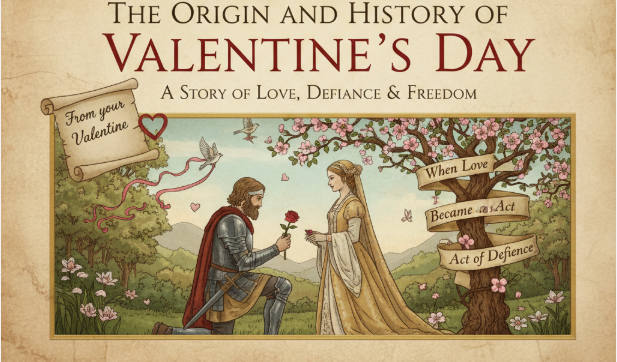
Ancient Rome: When Love Became an Act of Defiance
Valentine’s Day did not begin as a celebration of romance. Its roots trace back to 3rd-century Ancient Rome, a time marked by political instability, frequent wars, and strict imperial control over personal life.
Roman Emperor Claudius II believed that unmarried men made better soldiers—more obedient, more aggressive, and less emotionally attached. Acting on this belief, he reportedly banned marriage for young men of military age.
This decision was not merely administrative. It stripped individuals of emotional choice and treated love as a threat to state power.
The True Story of Saint Valentine
Against this backdrop lived a Christian priest named Valentine (Valentinus). Rather than a mythical romantic figure, Valentine was a quiet dissenter.
He believed marriage was sacred and that love was a human right, not a privilege granted by the state. In direct defiance of the emperor’s decree, Valentine secretly performed wedding ceremonies for young couples.
These acts were considered treason. Valentine was arrested, imprisoned, and ultimately executed around 269 AD.
What Valentine’s Sacrifice Represented
Valentine’s story is not primarily about romance—it is about emotional freedom.
According to legend, while imprisoned, Valentine formed a bond with the jailer’s daughter and wrote her a farewell letter signed, “From your Valentine.” Whether historically precise or not, the message endures.
Valentine’s Day began as a commemoration of someone who chose love, commitment, and emotional integrity in a world that punished such choices.
The Middle Ages: When Love Found a Voice
Centuries later, during the Middle Ages, Valentine’s Day took on a new meaning. European poets and writers began associating February 14 with courtly love, devotion, and the symbolic return of spring.
Love letters, poetry, and symbolic gifts emerged as expressions of admiration and loyalty. Romance became something that could be spoken, written, and publicly acknowledged.
This period transformed Valentine’s Day from religious remembrance into cultural expression.
From Sacred Remembrance to Social Ritual
As societies became more secular, Valentine’s Day evolved into a holiday for ordinary people.
It offered something rare: social permission to express affection openly. The day became less about doctrine and more about emotional presence—an agreed-upon moment to pause routine and acknowledge connection.
The Commercialization of Valentine’s Day
Why Flowers and Chocolates Became Symbols
With industrialization, greeting cards, chocolates, and flowers became widely accessible. These items gained popularity not because of marketing alone, but because they were emotionally efficient.
They are symbolic, easily understood, and reduce the risk of emotional misinterpretation. Commercialization changed the form of Valentine’s Day, but not its core purpose.
Why Valentine’s Day Still Matters Today
Emotional Value in Modern Relationships
Modern life often prioritizes productivity over presence. Couples may share space without sharing attention.
Valentine’s Day serves as a reminder—not to perform romance, but to reconnect emotionally.
The Psychology of Ritual and Intimacy
Psychological research consistently shows that small, intentional rituals strengthen emotional bonds.
A handwritten note, a planned evening, or uninterrupted conversation often creates more lasting memories than expensive gifts.
Valentine’s Day Gift Recommendations
Are Valentine’s Day Gifts Necessary?
Gifts are not proof of love. However, they are effective emotional signals.
A thoughtful gift communicates effort, awareness, and intention—often more clearly than words alone.
Types of Valentine’s Day Gifts
Classic Gifts
Flowers, chocolates, and jewelry remain popular because their meaning is universally understood.
Practical Gifts
Home and lifestyle items suggest long-term thinking and emotional stability.
Emotional and Personalized Gifts
Customized items highlight shared history and emotional exclusivity.
Gift-Giving Tips
Avoid last-minute purchases, overspending, or trend-driven choices that lack personal relevance.
Planning a Romantic Valentine’s Day Dinner
Dining Out vs. Dining at Home
Restaurants offer convenience, but a home-cooked meal often creates a deeper sense of intimacy.
Simple Dinner Ideas for Couples
Cooking together encourages cooperation and shared presence. The experience often matters more than the menu.
Creating the Right Atmosphere
Lighting, music, table settings, and textiles shape the emotional tone of the evening.
Valentine’s Day DIY: Handmade Gifts and Decorations
Why DIY Feels More Meaningful
Handmade gifts reflect time, effort, and sincerity—elements that cannot be outsourced.
DIY Gift Ideas
Handwritten Letters and Memory Albums
In a digital world, handwritten words feel rare and deeply personal.
Small Handmade Items
Simple objects can carry powerful emotional meaning when tied to shared experiences.
DIY Decoration Inspiration
Fairy lights, handmade décor, and soft textiles can transform a space with minimal cost.
How Curtains Create Romantic Atmosphere
The Emotional Role of Curtains
Curtains shape how light enters a room and influence feelings of comfort, privacy, and intimacy.
Different Curtain Styles, Different Moods
Sheer Curtains
Sheer fabrics soften natural light and create a calm, romantic mood.
Heavy Curtains
Thicker materials enhance privacy and emotional security.
Combining Curtains with Lighting
Warm lighting paired with appropriate curtains is one of the simplest ways to elevate atmosphere.
Romantic Valentine’s Day Without Gifts
Choosing Time and Presence
Meaningful conversations, shared walks, and uninterrupted time often leave deeper emotional impressions than objects.
Conclusion: Valentine’s Day Is About Intention
From Ancient Rome to modern homes, Valentine’s Day has changed its form, but not its essence.
It remains a reminder to make someone feel valued, seen, and emotionally chosen—even if only for a moment.
Frequently Asked Questions
Are Valentine’s Day gifts mandatory?
No. Mutual understanding and communication matter more than objects.
Does skipping Valentine’s Day harm relationships?
Consistently ignoring emotional rituals may weaken long-term connection.
Is celebrating at home less romantic?
No. Home celebrations often feel more intimate and sincere.
What matters most in Valentine’s Day decorations?
The overall atmosphere, not individual items.
What is the most valuable investment on Valentine’s Day?
Time, emotional presence, and sincerity.