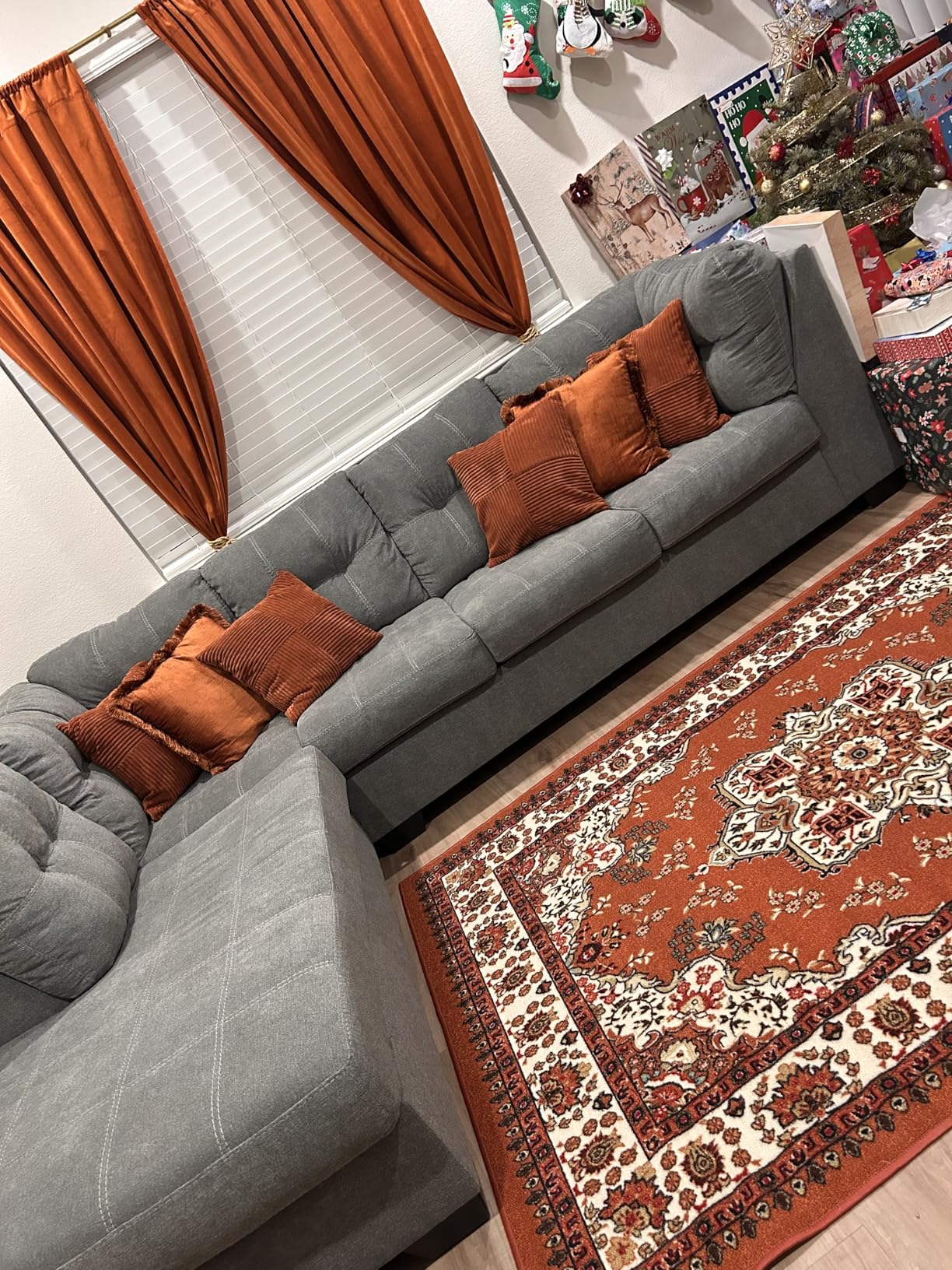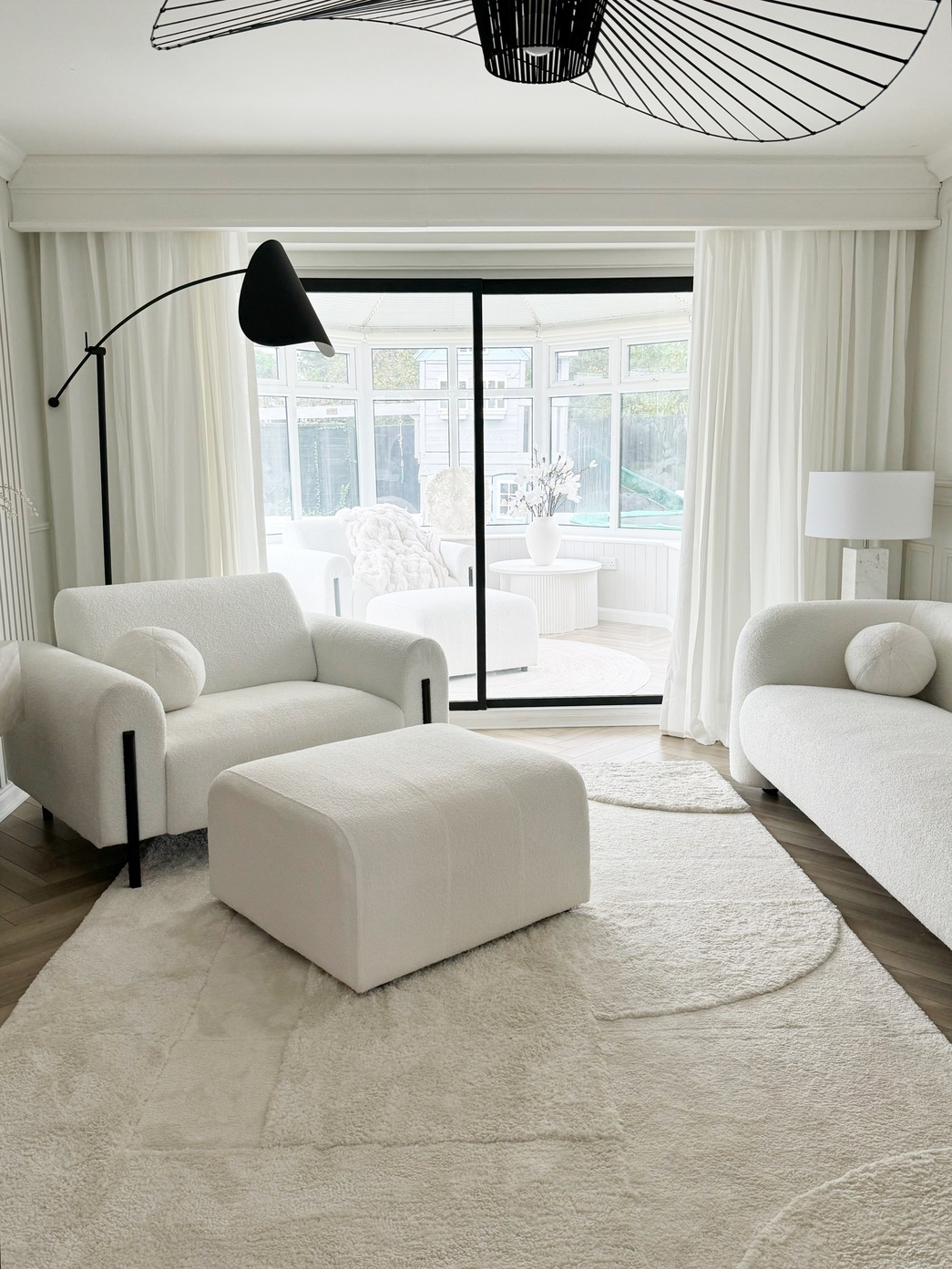
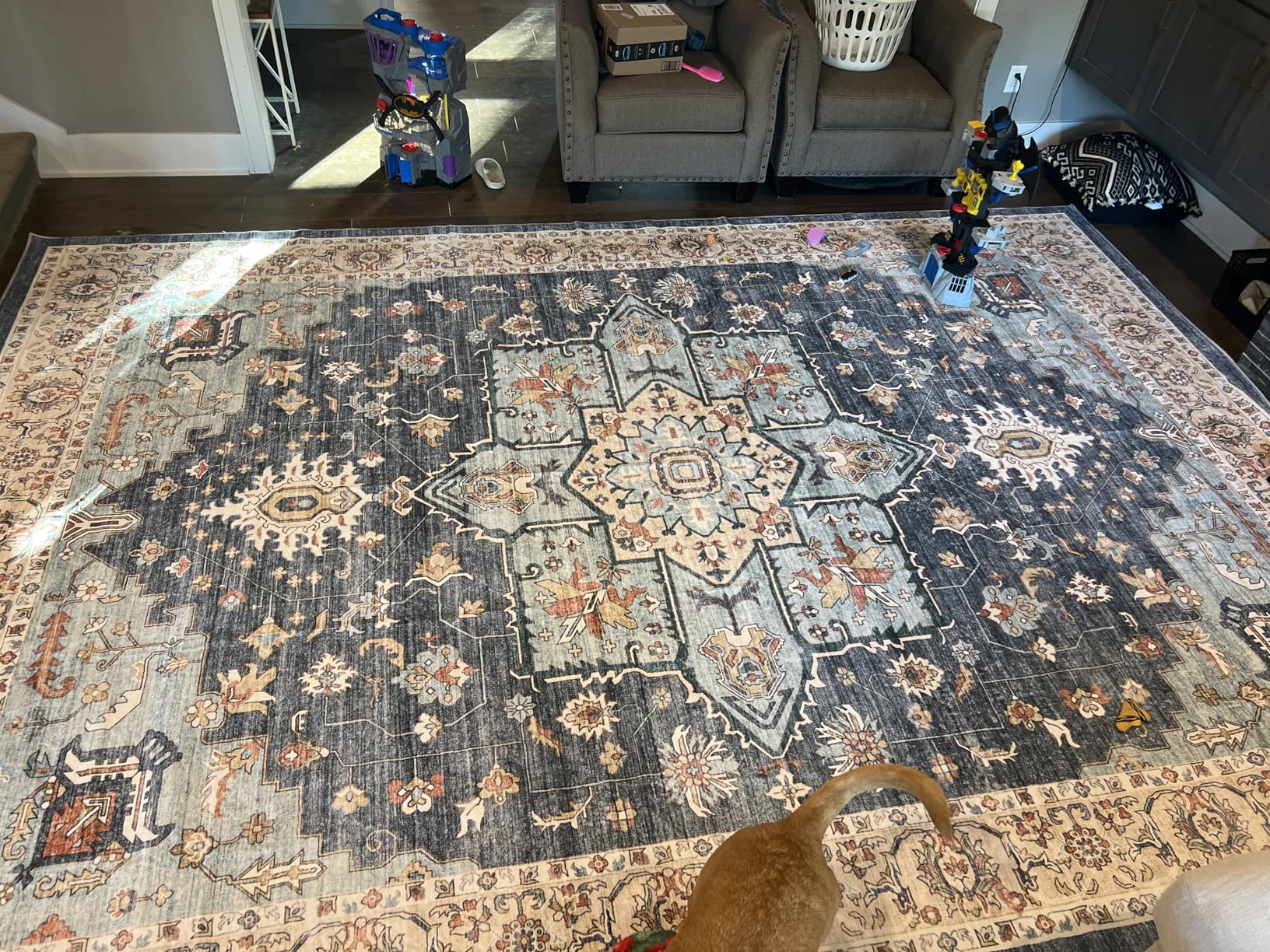
Let’s start with the short answer: rugs are not traditionally classified as furniture, but in modern interior design they are often treated as part of the “soft furniture” or soft furnishing system. As a professional rug reviewer who evaluates materials, textures, durability, and real-life usability, I can tell you that the real question isn’t just about labels — it’s about function. Rugs don’t simply decorate a room; they shape how a space feels, functions, and flows.
Many people underestimate how much impact a rug has until they remove one. Suddenly the room feels empty, echoey, or disconnected. That’s because rugs quietly work as the foundation layer of interior design. Let’s break this down step by step from an expert perspective.
What Is Furniture? Rethinking the Definition
Traditional Definition of Furniture
Traditionally, furniture refers to movable objects that directly support human activities. Think chairs for sitting, beds for sleeping, tables for working, or cabinets for storage. These items usually have clear physical structures and defined functions.
Based on this old-school definition, rugs don’t fully qualify because they don’t support your body structurally like a chair or sofa would.
How Modern Design Has Changed the Idea of Furniture
However, design evolves. Today, many designers think beyond rigid categories. Furniture is no longer only about structural objects; it’s also about elements that influence how we experience and use space.
That means items that shape movement, comfort, and atmosphere — including rugs — start entering the conversation.
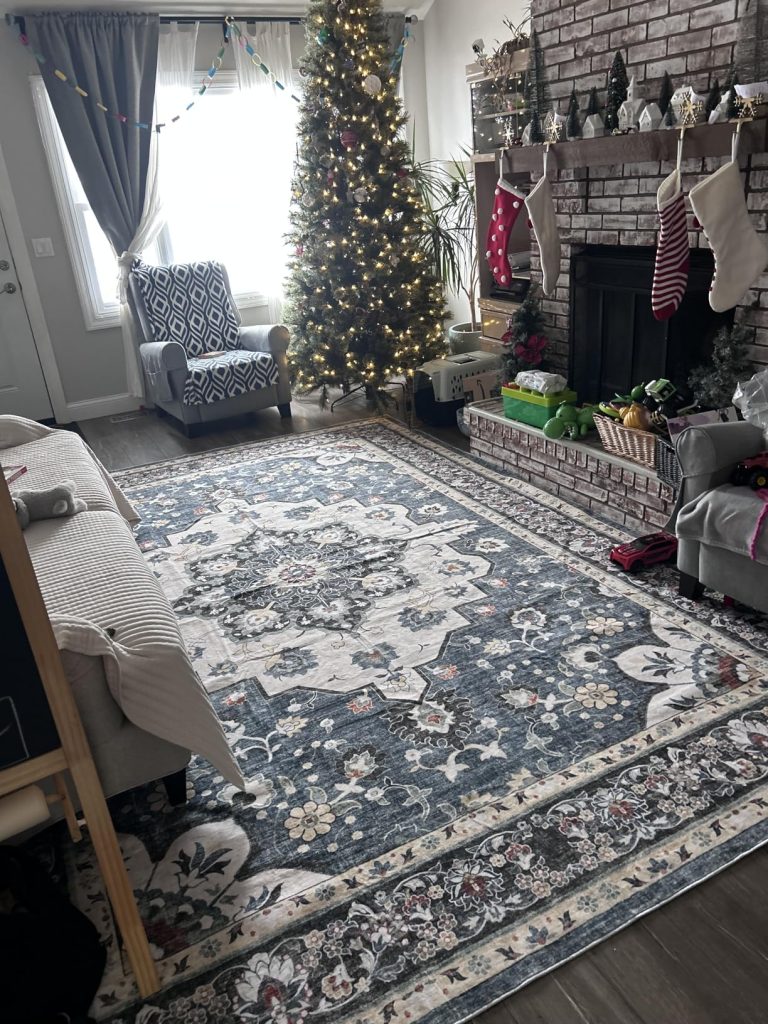
What Exactly Is a Rug? A Professional Evaluation Perspective
The Core Attributes I Evaluate as a Rug Reviewer
When I review rugs professionally, I typically look at four main factors:
- Material composition (wool, synthetic fibers, cotton, blends)
- Construction method (hand-knotted, tufted, flatweave, machine-made)
- Pile height and density
- Real-life suitability for different environments
These characteristics determine whether a rug acts as simple decor or as a functional component of the space.
The Real Functions Rugs Serve
A common misconception is that rugs are just decorative layers. In reality, they influence:
- Walking comfort
- Sound absorption
- Spatial boundaries
- Furniture arrangement balance
I often say during evaluations: a rug doesn’t fill a space — it defines it.
Are Rugs Furniture? Industry Perspective
How Interior Designers Classify Rugs
Most designers don’t categorize rugs alongside sofas or chairs, but they do place them within soft furnishings or textile-based spatial elements. This category includes pieces that significantly affect atmosphere without acting as rigid structures.
How the Home Industry Treats Rugs
Within the home goods industry, rugs sit somewhere in between decor and furniture. They’re more functional than decorative accessories but less structural than traditional furniture pieces. This hybrid role is exactly what makes rugs so powerful in design.
Key Differences Between Rugs and Furniture
Structural Support
Furniture usually provides structural support for the body or storage. Rugs enhance the environment rather than supporting weight directly.
Usage Role
Furniture is typically the object you use, while rugs create the environment in which usage happens.
Spatial Impact
Interestingly, changing a rug can sometimes transform a room more dramatically than replacing a sofa because it shifts visual boundaries and spatial perception.
Why Designers Treat Rugs as Core Soft Furnishings
Understanding Soft Furnishings
Soft furnishings include items like rugs, curtains, and textiles. These elements may lack rigid structure, but they have a strong influence on comfort, acoustics, and mood.
The Relationship Between Soft and Hard Elements
Think of a room like music: hard finishes create rhythm, furniture creates melody, and rugs add harmony. Without harmony, the experience feels incomplete even if all functional elements are present.
The Psychological and Visual Impact of Rugs
Defining Zones Without Walls
In open-plan layouts, rugs act like invisible walls. They help separate living areas, dining spaces, or reading corners without adding physical barriers.
Acoustic Comfort
Thicker rugs reduce echo and soften sound reflections. During testing, wool rugs consistently perform better acoustically compared to thin synthetic options.
Emotional and Tactile Experience
The feeling under your feet directly affects relaxation and comfort. This is one reason luxury hotels almost always incorporate rugs or carpets.
How Rugs Function Differently Across Spaces
Living Rooms
In living rooms, rugs often serve as visual anchors that connect sofas, coffee tables, and seating areas into one cohesive layout.
Bedrooms
In bedrooms, rugs become more functional because daily barefoot contact increases their practical value.
Commercial Spaces
In retail and hospitality design, rugs can guide movement paths and reinforce brand identity through texture and pattern.
Common Misconceptions About Rugs
- Rugs are just decoration — not true; they influence function and comfort.
- Any size works — incorrect sizing disrupts visual balance.
- Color only affects style — it also impacts visual weight and spatial perception.
How to Decide If Something Is Furniture: A Practical Framework
Functional Dimension
Does it change how you use the space?
Structural Dimension
Does it have a rigid structure?
Spatial Dimension
Does it define boundaries or influence layout? Rugs score highly in this category.
Future Trends: The Line Between Furniture and Soft Decor Is Blurring
Flexible and Modular Living
Modern homes increasingly rely on adaptable elements. Rugs allow easy layout adjustments without heavy renovations.
Experience-Driven Design
Today’s design focus has shifted from simply owning furniture to creating emotional experiences within a space — and rugs play a huge role in that shift.
Conclusion
So, are rugs furniture? In traditional terms, not exactly. But in modern design practice and real-world usage, rugs function as core soft furnishing elements that shape comfort, atmosphere, and spatial organization. From a professional reviewer’s perspective, rugs aren’t optional accessories — they’re foundational layers that quietly determine how a room feels and performs.
FAQ
Why do designers emphasize rug size so much?
Because size determines visual proportions and helps anchor furniture layouts.
Can a rug really change a space?
Absolutely. It can redefine zones, soften acoustics, and transform overall mood.
Are rugs considered soft furniture?
In many design contexts, yes — they’re categorized as core soft furnishings.
Are rugs more important than decor accessories?
Often yes, because they influence the entire spatial foundation rather than just adding visual detail.
Why do luxury interiors almost always include rugs?
They enhance comfort, reduce noise, and elevate the overall sensory experience.