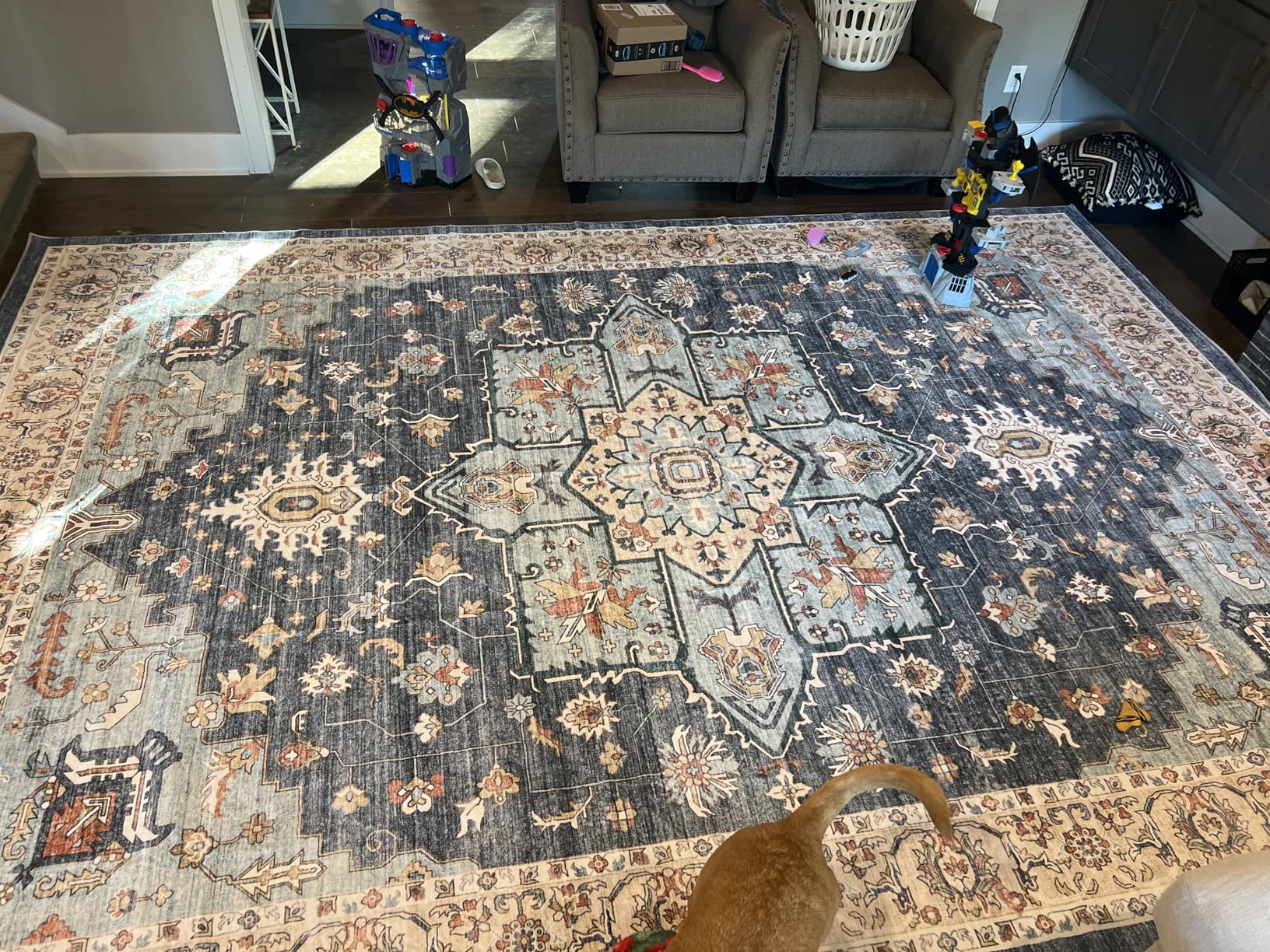
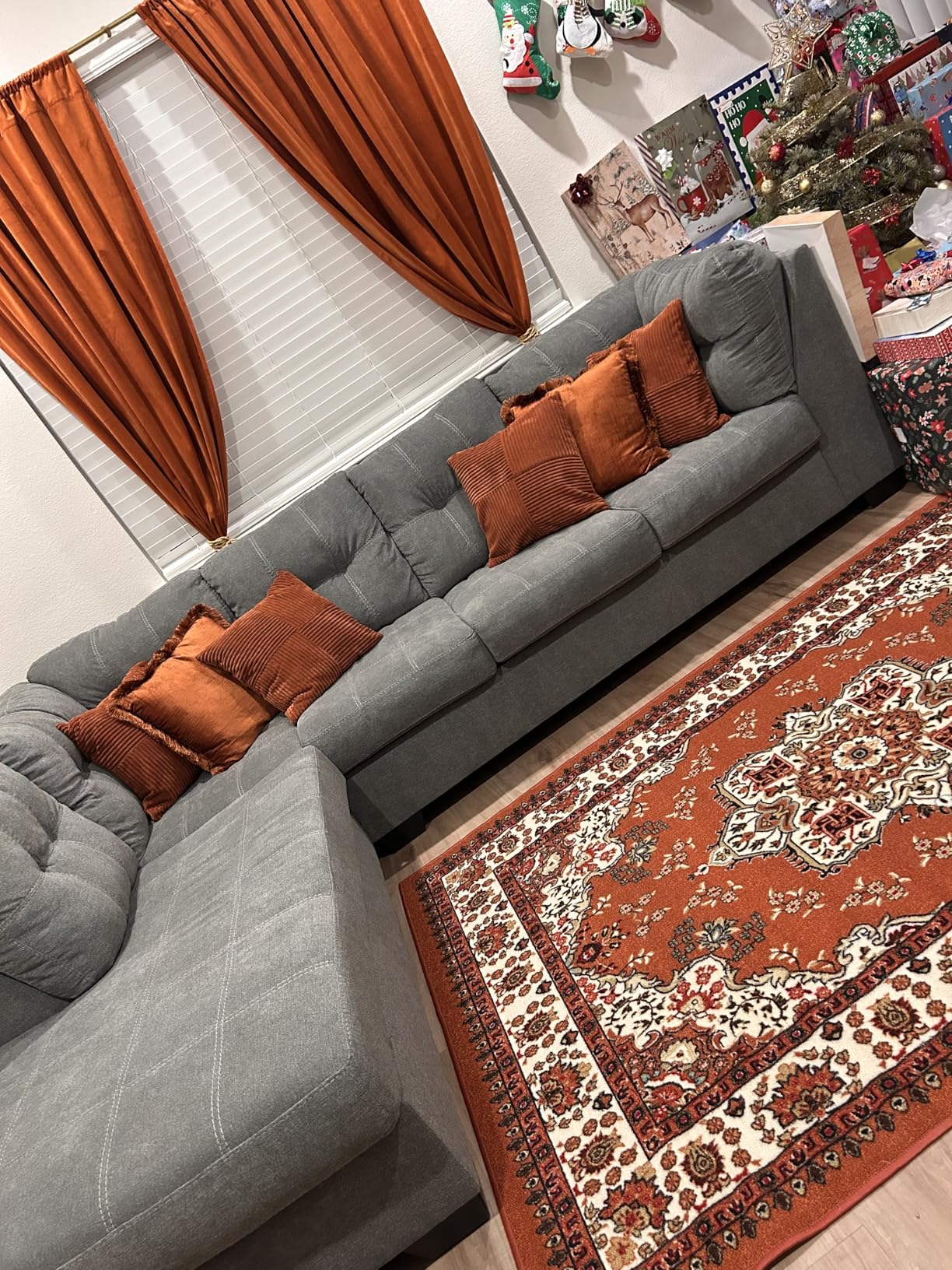
If you want the quick answer first: rugs most likely originated in Central Asia and ancient Persia, where nomadic people created them to survive cold climates and mobile lifestyles. Over thousands of years, rugs evolved from simple survival tools into artistic, cultural, and design icons found all over the world today.
But the real story is much more interesting than a single location. Rugs didn’t just appear overnight — they developed alongside human migration, trade routes, technology, and cultural expression. So let’s walk through the history together and explore how rugs became such an important part of global design.
The Short Answer: Where Did Rugs Come From?
Most historians and textile experts agree that rugs originated in the regions of Central Asia and ancient Persia (modern-day Iran). These areas offered three key ingredients that encouraged rug-making:
- Access to wool from sheep and other animals
- Cold environments that required insulation
- Nomadic lifestyles that needed portable furnishings
Early rugs weren’t luxury decor — they were practical tools that helped people stay warm and comfortable while moving from place to place.
Why Humans Started Making Rugs in the First Place
Nomadic Culture and Climate Challenges
Imagine living on open grasslands where temperatures drop quickly and shelter is temporary. You need something lightweight, durable, and warm. Rugs solved all three problems. They could be rolled up, transported easily, and used on floors, walls, or even as coverings.
For nomadic communities, rugs were like portable homes — flexible enough to adapt to constantly changing environments.
The Earliest Functions of Rugs
Early rugs served several essential purposes:
- Insulating against cold ground
- Providing comfortable seating and sleeping surfaces
- Showing tribal identity through patterns and colors
Decoration came later. At the beginning, survival was the main motivation.
The Oldest Known Rug: Archaeological Evidence
The Famous Pazyryk Carpet
The oldest surviving knotted rug discovered so far is the Pazyryk Carpet, found frozen in a Siberian burial site. Dating back roughly 2,500 years, it surprised researchers with its incredibly advanced craftsmanship.
Its intricate design proves that rug-making techniques had already reached a sophisticated level long before its creation.
Ancient Weaving Techniques
Early rug makers used hand-knotting methods, natural dyes made from plants and minerals, and simple looms. Even with basic tools, they created detailed designs that still inspire modern rugs today.
Persia: One of the Most Important Birthplaces of Rug Art
How Persian Culture Elevated Rugs
While rugs began as practical items, Persian artisans transformed them into art. During the Persian Empire, rugs became symbols of status and beauty, often used in palaces and royal settings.
Persian workshops refined techniques, introduced complex designs, and helped establish rugs as cultural masterpieces rather than simple textiles.
Symbolism in Persian Designs
Many Persian rugs feature symbolic imagery. Garden patterns represented paradise, central medallions symbolized cosmic balance, and floral motifs reflected nature’s abundance.
In many ways, Persian rugs acted like visual storytelling — each pattern carried meaning.
The Role of Central Asia and the Silk Road
Trade Routes That Spread Rug Culture
The Silk Road wasn’t just about silk; it also transported rugs across continents. Merchants carried textiles from East to West, introducing new designs, materials, and techniques to different cultures.
Fusion of Styles Through Cultural Exchange
As ideas traveled, rug styles blended. Persian patterns merged with Turkish geometry, while regional techniques influenced one another. This cultural mixing helped create the diverse rug traditions we see today.
The Rise of Turkish Rugs
The Ottoman Empire’s Influence
Under the Ottoman Empire, rug production expanded dramatically. Turkish rugs became valuable trade goods and were highly desired by European nobility.
Geometric Patterns and Bold Colors
Unlike Persian floral complexity, Turkish rugs often emphasized geometric symmetry and strong color contrasts. This distinctive style made them easily recognizable.
The History of Chinese Rugs
Imperial Court Rugs
Chinese rugs developed within imperial settings, often featuring dragons, clouds, and symbolic colors associated with royalty and power.
Buddhist Influence on Design
Buddhist symbolism introduced motifs like lotus flowers, representing purity and spiritual growth.
How Europe Adopted Rug Culture
The Renaissance Era
European elites encountered rugs through trade with the East. Interestingly, early European owners often displayed rugs on walls or tables rather than floors because they were considered precious artworks.
Royal Workshops and Local Production
Eventually, European countries established their own rug workshops, blending Eastern inspiration with Western design sensibilities.
The Evolution of Rug Materials
Wool
Wool remains one of the most traditional and durable rug materials, valued for its warmth and resilience.
Silk
Silk rugs introduced luxury and intricate detail, often reserved for high-status environments.
Synthetic Fibers
Modern manufacturing introduced synthetic materials, making rugs more accessible and affordable while offering new performance features.
From Survival Tool to Artistic Statement
Over time, rugs transitioned from purely practical objects into works of art and cultural identity. Today, rugs can function as design anchors, collectors’ items, and storytelling pieces within interior spaces.
Comparing Regional Rug Styles
Persian vs Turkish Rugs
Persian rugs often feature intricate floral motifs and curved lines, while Turkish rugs emphasize geometric shapes and bold symmetry.
Eastern vs Western Design Approaches
Eastern traditions frequently embed symbolic meaning into patterns, whereas Western designs often focus on decorative harmony within interior design trends.
How Modern Rug Design Reflects Ancient Origins
Even contemporary rugs carry echoes of ancient traditions. Designers continue to reinterpret historical motifs using modern colors, materials, and production techniques.
Why Understanding Rug Origins Matters Today
Knowing where rugs come from helps you recognize authenticity, understand cultural significance, and make more informed design choices. It’s like understanding the story behind a painting — it deepens appreciation and meaning.
Conclusion
So, where did rugs originate? The journey begins in Central Asia and ancient Persia, shaped by nomadic survival, cultural storytelling, and artistic innovation. From portable warmth on open plains to luxurious design centerpieces, rugs have traveled through centuries of history, adapting to changing lifestyles while preserving their cultural roots. Understanding this journey helps us see rugs not just as home decor, but as living pieces of history woven into everyday life.
FAQ
What is the oldest rug ever found?
The Pazyryk Carpet, discovered in Siberia, is currently the oldest known surviving knotted rug.
Why are Persian rugs so famous?
They are known for exceptional craftsmanship, detailed patterns, and strong cultural symbolism.
Were rugs originally decorative?
No. Early rugs were mainly practical items used for warmth and comfort.
Why did rug traditions develop in multiple regions?
Similar environmental needs and trade routes encouraged independent yet connected development across cultures.
Do modern rugs still reflect historical influences?
Yes, many contemporary designs borrow motifs and techniques from ancient traditions.